Job Application Tracker: The Ultimate Guide to Organizing Your Search
Learn how to effectively track your job applications and follow-ups. Discover why organized job seekers get more interviews and offers.
Why You Need an Application Tracker
The average job search involves applying to dozens - sometimes hundreds - of positions. Without a system to track them, you'll:
- Forget which companies you've applied to
- Miss follow-up opportunities
- Accidentally apply to the same job twice
- Lose track of interview schedules
- Have no data to improve your approach
Organized job seekers get more interviews. It's that simple.
What Information to Track
Essential Fields
- Company name: Who you applied to
- Position title: What role you applied for
- Date applied: When you submitted
- Application status: Applied, interviewing, offer, rejected
- Job posting URL: Reference for interviews
Helpful Additions
- Resume version used: Which tailored resume you sent
- Contact person: Recruiter or hiring manager name
- Salary range: Posted or discussed compensation
- Location: Office location or remote status
- Source: Where you found the job (LinkedIn, referral, etc.)
For Active Opportunities
- Follow-up dates: When to check in
- Interview dates: Scheduled conversations
- Interview notes: What was discussed
- Next steps: What's supposed to happen next
- Key contacts: Everyone you've spoken with
Spreadsheet vs Dedicated Tools
Spreadsheet Approach
Pros:
- Free (Google Sheets, Excel)
- Completely customizable
- Easy to share if needed
- Works offline
Cons:
- Manual data entry for everything
- No reminders or automation
- Can get messy at scale
- No mobile-friendly interface
Dedicated Tracking Tools
Pros:
- Built-in reminders and follow-ups
- Better organization and filtering
- Often integrate with job boards
- Mobile apps available
Cons:
- May cost money
- Learning curve
- May have unnecessary features
CvMatchMaker's Built-in Tracker
Our application tracker is included free with your account:
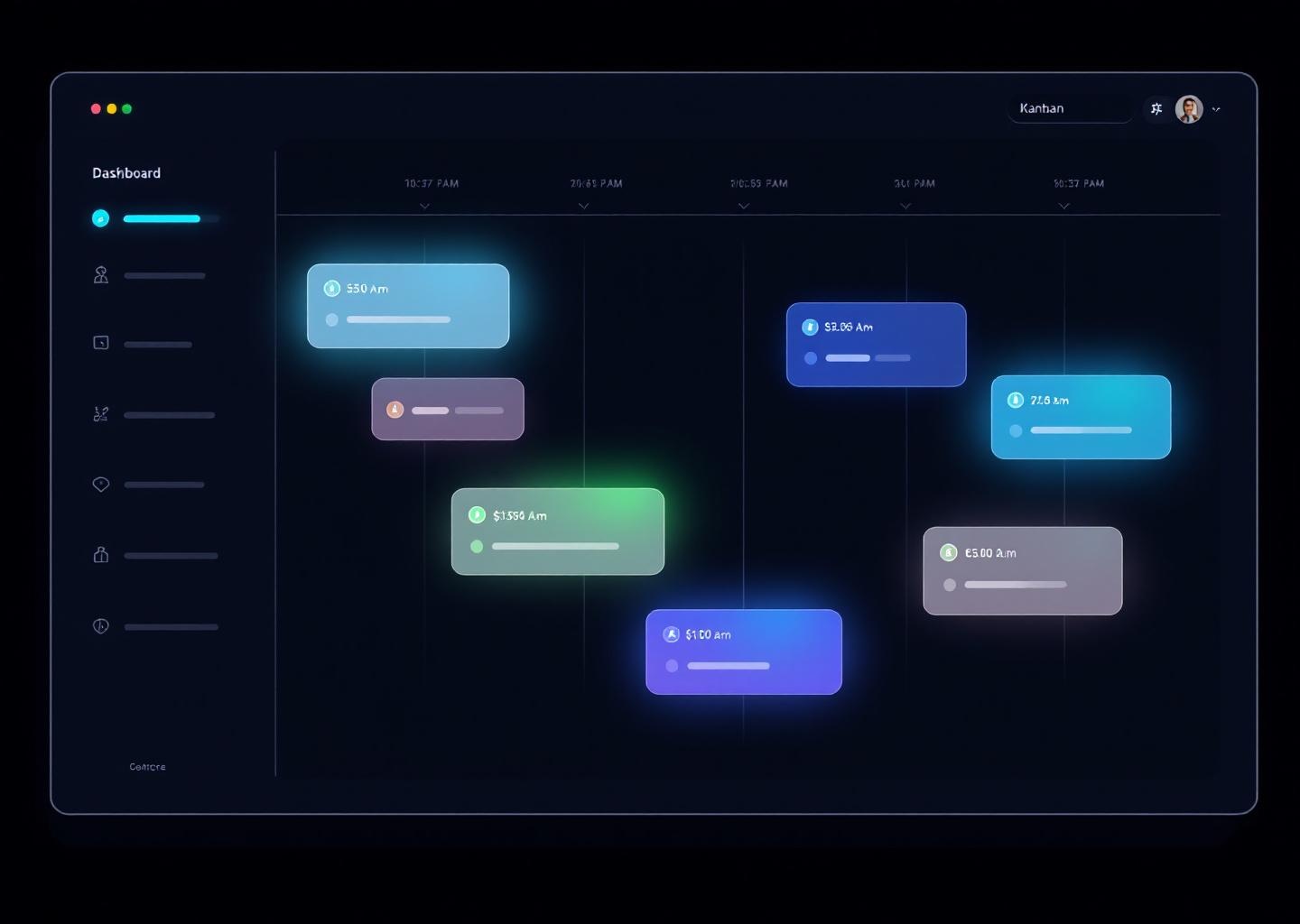
- Kanban board view: Visualize your pipeline by status
- List view: See all applications in a table
- Match scores: Connect analyses to applications
- Notes and history: Track all your interactions
- Follow-up reminders: Never miss a check-in
- Stale application alerts: Get reminded about applications needing attention
Best Practices for Follow-Ups
When to Follow Up
- After applying: 1 week (if you have a contact)
- After interview: Within 24 hours (thank you note)
- After "we'll be in touch": 1 week past their stated timeline
- After no response: 2 weeks, then move on
How to Follow Up
Email template:
Subject: Following Up - [Position] Application
Hi [Name],
I wanted to follow up on my application for the [Position] role submitted on [Date]. I remain very interested in the opportunity to contribute to [Company] and would welcome the chance to discuss how my experience in [relevant area] aligns with your needs.
Please let me know if you need any additional information from me.
Best regards,
[Your Name]
Follow-Up Don'ts
- Don't follow up more than twice
- Don't be pushy or demanding
- Don't follow up before their stated timeline
- Don't send the same message repeatedly
How to Learn from Rejections
Track Rejection Patterns
Look for trends in your tracker:
- At what stage do most rejections happen?
- Are certain types of roles rejecting more?
- Do applications from certain sources perform better?
- How do your match scores correlate with outcomes?
Request Feedback
After a rejection, it's appropriate to ask for feedback:
"Thank you for letting me know. I appreciate your consideration. If you have a moment, I'd value any feedback on how I could strengthen my candidacy for similar roles in the future."
Most won't respond, but some will - and that feedback is gold.
Adjust Your Strategy
Use rejection data to refine your approach:
- Resume getting no responses? Review your keywords and formatting
- Phone screens not converting? Practice your pitch
- Final rounds not closing? Work on interview skills
- Low match scores on rejections? Better target your applications
Metrics to Monitor
Key Ratios
- Application to response: What percentage of applications get any response?
- Response to interview: How many responses lead to interviews?
- Interview to offer: Your closing rate
- Applications per week: Your activity level
Healthy Benchmarks
- Response rate: 10-20% (higher with tailored resumes)
- Interview rate from responses: 30-50%
- Offer rate from final interviews: 20-30%
If your numbers are significantly below these, your tracker data will help you identify where to focus improvement efforts.
Getting Started
Start tracking today - even if you've already applied to some jobs. Add what you remember and build the habit going forward.
- Choose your tool (spreadsheet or dedicated tracker)
- Set up your columns/fields
- Add all current applications
- Set a daily time to update
- Review weekly to identify patterns
The job search is a numbers game, but it's also a strategy game. Good tracking transforms random applications into a systematic process that improves over time.
Related Articles

Technical Writer Resume Examples & Writing Guide 2026
Get hired as a technical writer. See resume examples, must-have skills, ATS keywords, and expert tip...

Security Engineer Resume Examples & Writing Guide 2026
Get hired as a security engineer. See resume examples, must-have skills, ATS keywords, and expert ti...

Scrum Master Resume Examples & Writing Guide 2026
Get hired as a Scrum Master. See resume examples, must-have skills, ATS keywords, and expert tips. C...
Ready to optimize your job search?
Get AI-powered CV analysis and see how well you match job opportunities.
Try CvMatchMaker Free